Understanding Nutritional Support for Men's Health
Explore the science of dietary principles and micronutrients that support overall vitality and well-being

What is Nutritional Support?
Nutritional support refers to the comprehensive approach of providing the body with essential nutrients through a balanced diet. It is not about treating specific conditions but rather about understanding how diet influences overall health, energy levels, and the body's ability to function optimally. For men, this means recognizing how macronutrients and micronutrients contribute to maintaining vitality across different life stages.
A well-structured diet supports preventative health by maintaining metabolic function, supporting immune resilience, and promoting sustained energy. Nutritional support emphasizes the role of whole foods, variety, and consistent healthy eating habits in maintaining overall wellness.
Macronutrients: The Building Blocks
Macronutrients—proteins, carbohydrates, and fats—form the foundation of nutrition. Proteins are essential for tissue repair and muscle maintenance. Carbohydrates provide energy for daily activities, while healthy fats support hormone production and nutrient absorption.
- Proteins: Found in lean meats, fish, eggs, legumes, and dairy. Essential for muscle and tissue repair.
- Carbohydrates: Whole grains, vegetables, and fruits provide sustained energy and fiber.
- Fats: Healthy sources like nuts, seeds, avocados, and olive oil support cellular function.

Essential Vitamins for Men
Vitamins play crucial roles in maintaining energy, supporting immune function, and protecting cellular health. Understanding which vitamins contribute to these processes helps in recognizing the importance of dietary variety.

Vitamin D
Supports bone health, immune function, and mood regulation. Found in fatty fish, egg yolks, and fortified dairy products. Sunlight exposure also aids vitamin D synthesis.
B-Complex Vitamins
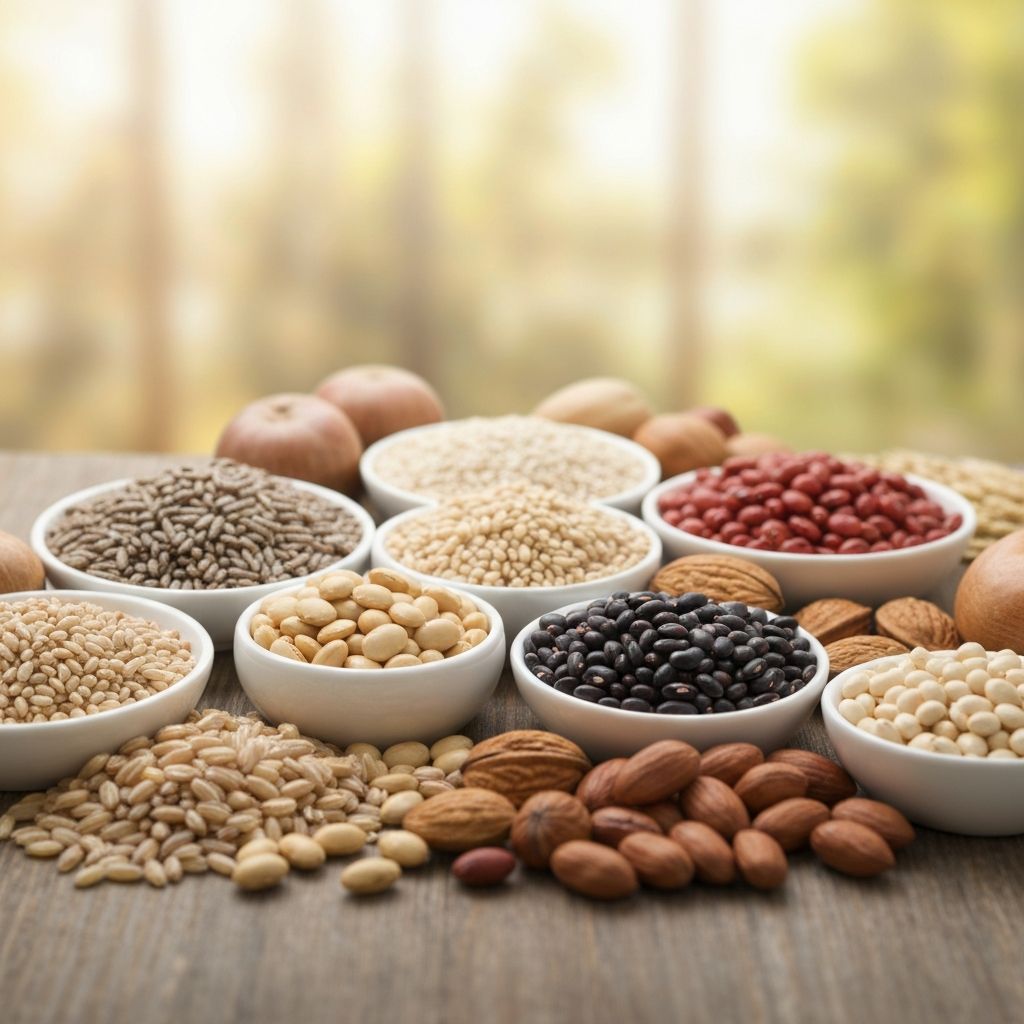
Essential for energy metabolism and nervous system function. Found in whole grains, legumes, leafy greens, and meats. B vitamins help convert food into usable energy.

Vitamins C & E
Powerful antioxidants that protect cells from oxidative stress. Found in citrus fruits, berries, nuts, and seeds. Support collagen production and immune resilience.
Minerals for Male Wellness
Minerals are essential for bone structure, muscle function, and metabolic processes. Key minerals for men include:
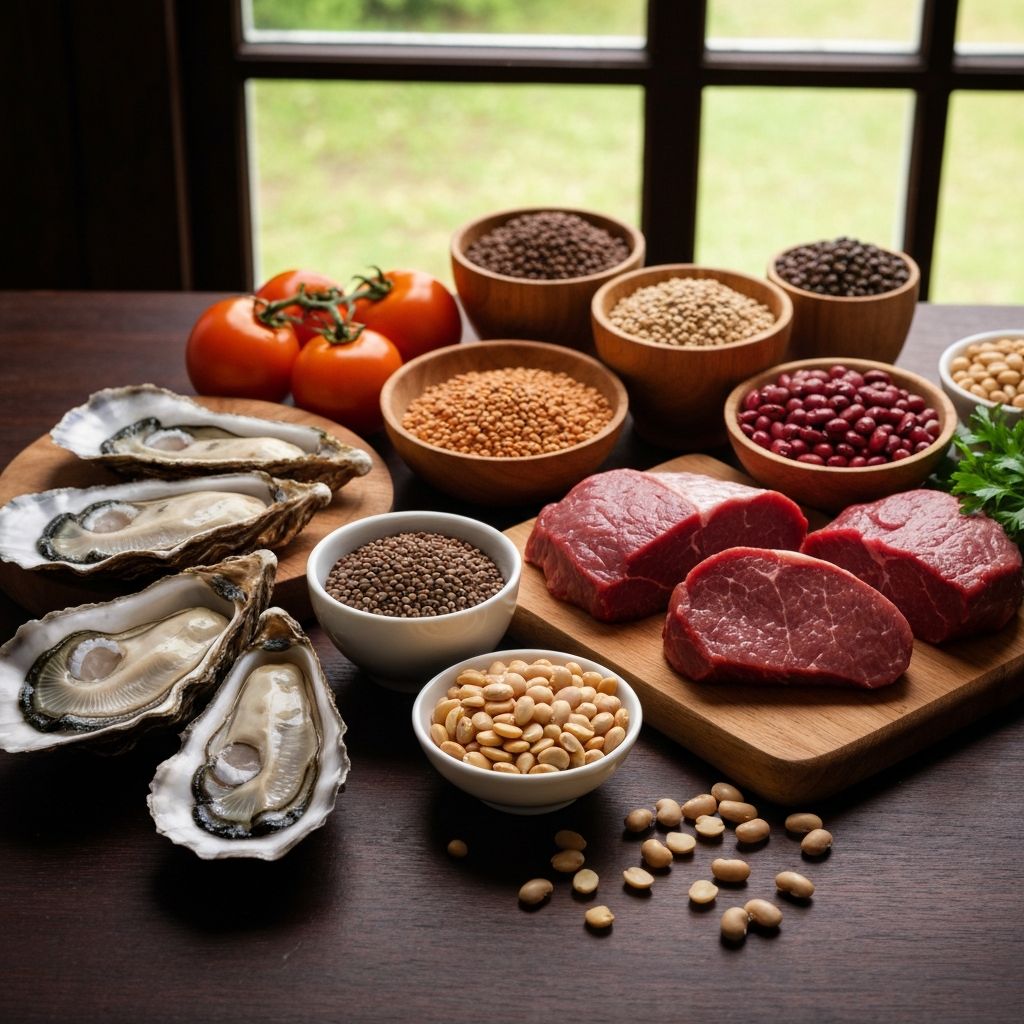
- Zinc: Supports immune function and metabolic health. Found in oysters, red meat, legumes, and seeds.
- Magnesium: Aids muscle function and energy production. Present in leafy greens, nuts, seeds, and whole grains.
- Selenium: Works as an antioxidant supporting cellular health. Found in Brazil nuts, fish, and eggs.
Dietary Habits for Energy
Sustained energy comes from consistent, balanced eating habits rather than specific foods. Key principles include:
- Eat regular meals with a balance of macronutrients to maintain stable blood sugar and energy levels.
- Include fiber-rich foods to support digestive health and sustained satiety.
- Stay hydrated throughout the day, as water is essential for all bodily functions.
- Practice mindful eating—paying attention to hunger and fullness cues—to support overall wellness.
- Include nutrient-dense snacks such as nuts, fruits, and whole grains for sustained energy between meals.

Antioxidants and Cellular Health
Antioxidants are compounds that protect cells from oxidative stress, a natural byproduct of metabolism and environmental exposure. Understanding their role highlights the importance of plant-based foods in a balanced diet.
Common dietary antioxidants include polyphenols in berries, carotenoids in orange and red vegetables, and flavonoids in tea and dark chocolate. Regular consumption of antioxidant-rich foods supports the body's natural defense mechanisms and contributes to long-term cellular wellness.
The Importance of Fiber
Fiber is a type of carbohydrate that the body cannot digest but plays a crucial role in overall health. It supports digestive function, helps maintain stable blood sugar levels, and promotes beneficial gut bacteria growth. Adequate fiber intake contributes to digestive comfort and overall metabolic health.
Soluble fiber, found in oats, beans, and apples, helps regulate cholesterol and blood sugar. Insoluble fiber, found in whole grains and vegetables, supports digestive movement and regularity. A balanced diet naturally includes both types through a variety of plant-based foods.
Understanding Healthy Fats
Not all fats are created equal. Distinguishing between different types of fats helps explain their varying roles in the body.
- Unsaturated Fats: Found in nuts, seeds, avocados, and fish. Support heart and brain health.
- Saturated Fats: Found in some animal products and oils. Needed in moderation as part of a balanced diet.
- Trans Fats: Artificially created and found in processed foods. Best limited or avoided.

Food Groups for a Balanced Diet
A balanced diet incorporates all major food groups, each contributing different nutrients and benefits:

Fruits & Vegetables
Rich in vitamins, minerals, and antioxidants. Aim for a variety of colors to ensure diverse nutrient intake. These form the foundation of plant-based nutrition.
Whole Grains & Legumes
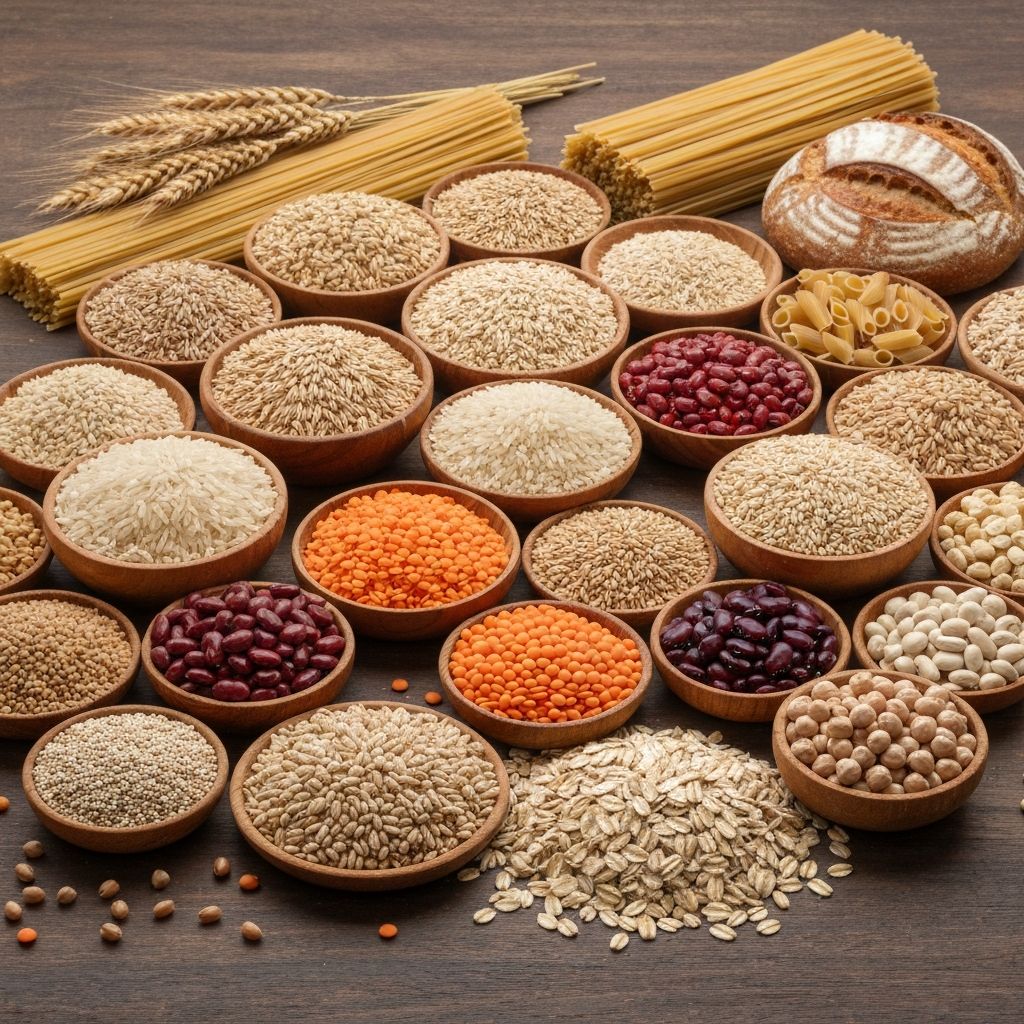
Provide sustained energy, fiber, and plant-based proteins. Include brown rice, oats, whole wheat bread, beans, and lentils in regular meals.

Proteins & Dairy
Essential for tissue repair and maintenance. Include lean meats, fish, eggs, dairy, nuts, and legumes as diverse protein sources.
Hydration and Its Benefits
Water is essential to virtually every bodily function—from nutrient transport to temperature regulation. Adequate hydration supports cognitive function, energy levels, and overall wellness. While individual needs vary, regular water consumption throughout the day is a fundamental aspect of nutritional support.
The amount of water needed depends on activity level, climate, and individual factors. Rather than strict rules, listening to thirst cues and monitoring urine color provides practical guidance for adequate hydration.
Lifestyle Factors Beyond Diet
While nutrition is a cornerstone of wellness, other lifestyle factors work in synergy to support overall health:
Physical Activity
Regular movement supports muscle health, cardiovascular function, and mental wellness. Exercise enhances the benefits of balanced nutrition.
Sleep Quality
Adequate sleep supports recovery, hormonal balance, and metabolic health. Sleep and nutrition work together to maintain overall vitality.
Stress Management
Chronic stress can impact eating habits and digestion. Mindfulness, meditation, and relaxation practices complement nutritional support.
Dispelling Nutritional Myths
Nutritional science evolves as research advances. Some common misconceptions worth clarifying:
- Myth: "All fats are bad." Reality: Healthy unsaturated fats are essential for brain and heart health.
- Myth: "Carbohydrates should be avoided." Reality: Whole grains and complex carbs are vital energy sources.
- Myth: "You need supplements to be healthy." Reality: A balanced diet provides most nutrients; supplements address specific deficiencies.
- Myth: "One diet works for everyone." Reality: Individual needs vary based on age, activity, and health status.
Further Reading on Nutritional Science
Nutritional science is a dynamic field with ongoing research expanding our understanding of how food affects health. If you're interested in deeper learning, consider exploring peer-reviewed journals, evidence-based nutrition resources from reputable health organizations, and books by qualified nutritional scientists.
Educational resources provide comprehensive information on dietary guidelines, micronutrient functions, and the latest research on nutrition and wellness. Engaging with these materials fosters a better understanding of how dietary choices contribute to long-term health and vitality.
Continue Exploring Educational Content
We encourage you to browse our comprehensive guides on men's nutrition, discover deeper insights into specific nutrients, and learn about the dietary principles that support overall wellness.
Explore More InsightsEducational Content Only. No Promises of Outcomes.
All information presented on Klarith.info is for educational purposes only. This content is not intended as medical advice, diagnosis, or treatment recommendation. Individual health decisions should always be made in consultation with a qualified healthcare provider. We provide information to foster understanding of nutritional principles and do not offer personalized health plans or medical interventions.